English translation of the original Spanish article. Read the original
The Rain Gauge is an instrument used to measure precipitation.
For the installation, it is very important that we do not have any obstacles (tree, wall, etc.) less than 2 metres away since it can vary the results from reality.
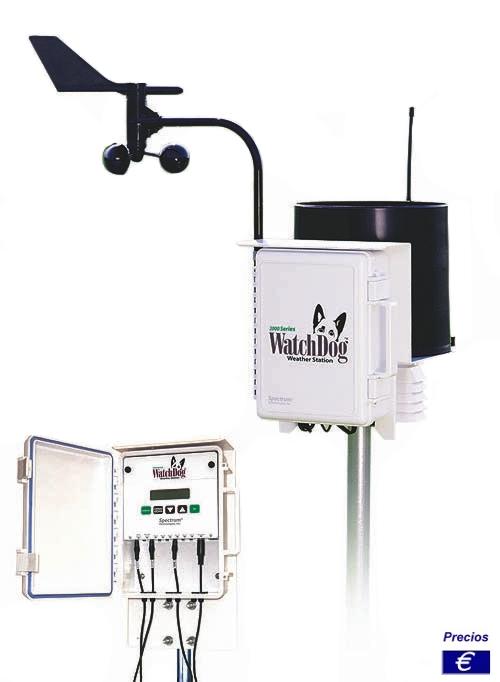
Mainly we can find 3 types of them.
Professional: These rain gauges may normally come with more sensors, such as air speed, temperatures, humidity and these things. Prices range from €600 to €1500. The advantage of these is that you do not have to do anything manually and many models include a connection to a PC to be able to download all the data and store or share them.
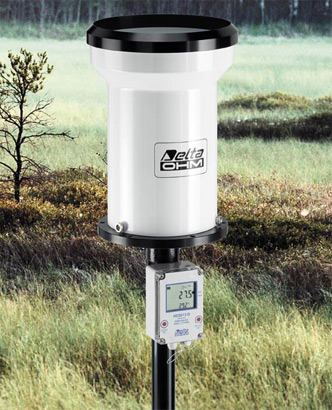
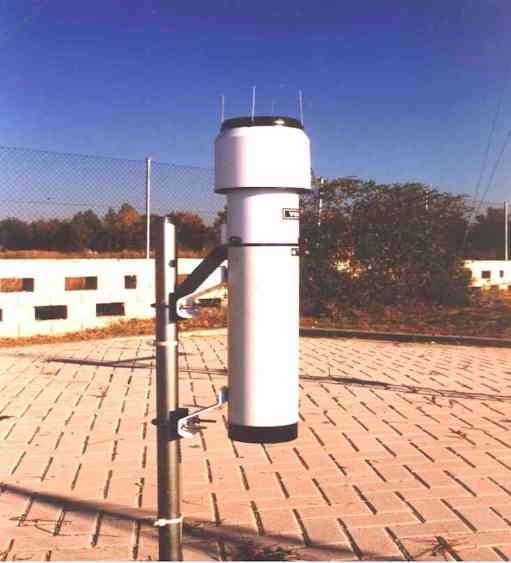
Manual These approved rain gauges depend on regular manual readings. They are usually cylindrical and opaque to limit evaporation. The method described here takes readings every 10 hours: remove the inner reservoir and pour the water into the supplied measuring cylinder.
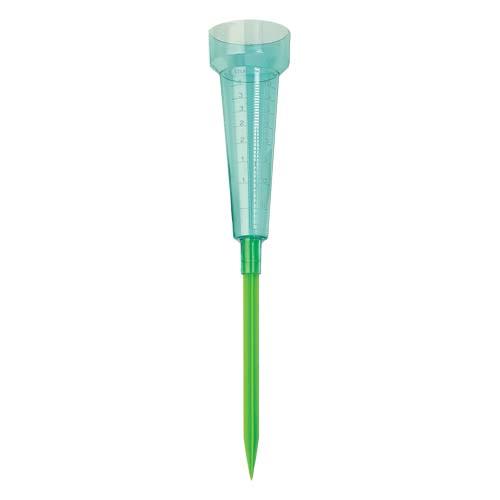
Plastic: They are sold in all hardware stores and have a cost of about €3-6, although they are not approved, but they can help us to be able to control a little the amount of water that falls on our property. Since for dryland crops with irrigation, it can make us decide whether to irrigate or not. (we have this one).
Starting in 2010, we will begin to collect the data of the precipitated rain in Can Pepitu. and then make a very nice graph. Well, in the long run we will be able to have a historical archive of the rain.
The Rain Gauge does not predict rain, it only measures it and if we have to make a calçotada, have a place to protect yourself from the rain.
Thanks to the rain gauge we were able to measure the rain these days:
- 19/10/2009: 48lts per square meter 24 hours.
- 20/10/2009: 34lts per square meter 24 hours.
PS: the rain gauge can be installed without problems in the city, but remember that there are no obstacles, it is recommended on roofs.